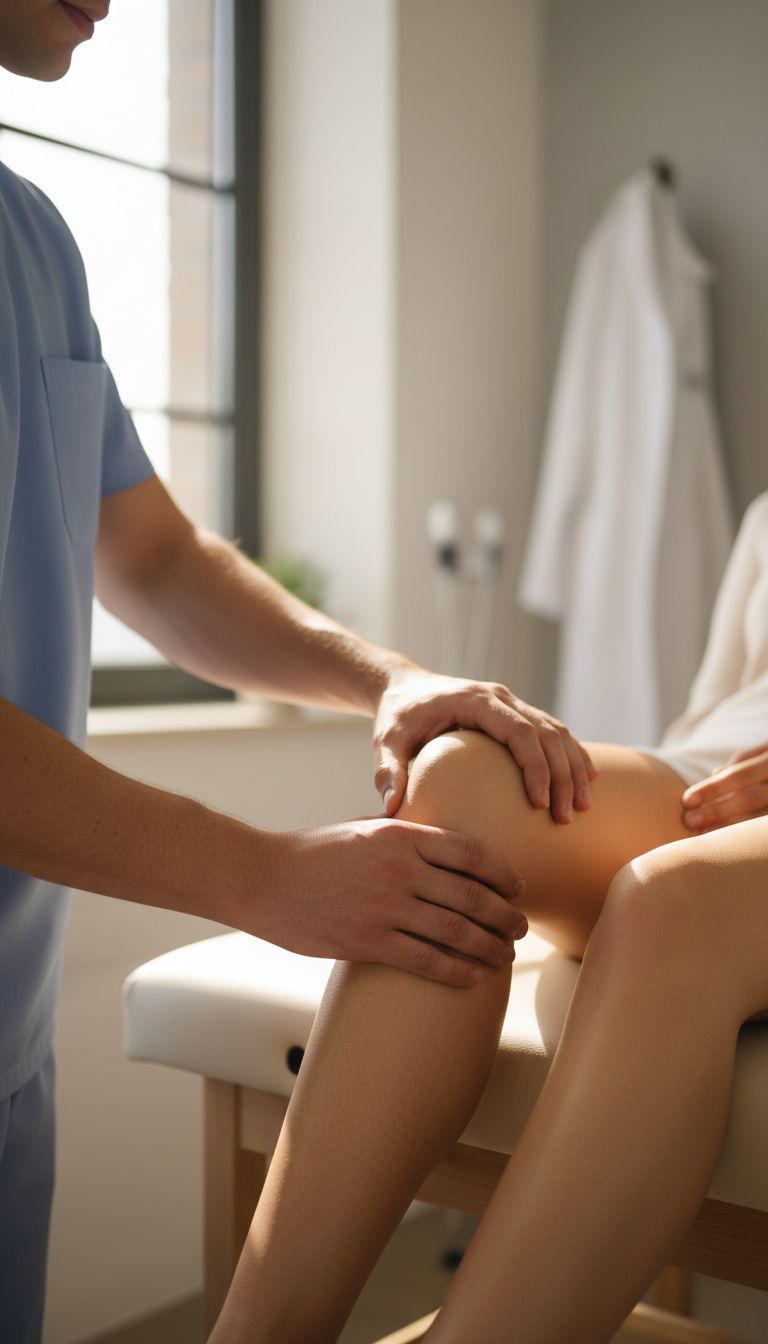
Non-surgical management of osteoarthritis relies on a combination of physical therapy, weight management, and anti-inflammatory medication to reduce pain and restore mobility. Other effective options include advanced techniques such as arterial embolization and integrative treatments like medical acupuncture or tailored therapeutic exercise. These alternatives allow for comprehensive symptom management and slow the disease's progression without the need for surgery.
If you live with osteoarthritis, you already know the reality of waking up with stiffness, limiting your daily activities, and wondering if surgery is inevitable. The good news is that in 2026, most patients have more options than ever to manage pain and regain mobility without going under the knife. From conservative therapies to PRP injections and gold micro-implants, the range of treatments has evolved significantly. This guide provides a clear, honest explanation of every available alternative, the scientific evidence backing them, and how to determine which path is right for your specific case.
Why so many osteoarthritis patients choose to avoid surgery
Osteoarthritis doesn't arrive with a clean diagnosis and a clear plan. It creeps in slowly: first, a slight discomfort when taking the stairs; then, morning stiffness that takes longer to fade; and finally, a pain that dictates your entire daily schedule. Over 7 million people in Spain live with this reality, with the knees and hips being the most affected joints.
When a specialist first mentions a joint replacement, the most common reaction isn't relief—it's fear. Fear of anesthesia, of a months-long recovery, and the worry that the end result might not justify the process. That fear isn't irrational; it's a sign that you are taking your health and your future seriously.
In 2026, choosing a non-surgical treatment for osteoarthritis is a medically sound decision, not just a way to delay the inevitable. Current clinical guidelines state that surgery should be reserved for cases where conservative and minimally invasive treatments have failed. For many patients in Sabadell and the Barcelona metropolitan area, there is a wide and effective therapeutic journey to explore before reaching that point.
Understanding what happens inside an osteoarthritic joint
To understand why non-surgical treatment is both possible and effective, it helps to know exactly what is happening inside your joint.
Articular cartilage is the tissue that acts as a shock absorber between your bones. With osteoarthritis, this tissue progressively degrades: it loses water, develops fissures, and thins out. As the cartilage wears away, the bone becomes exposed, friction increases, and the synovial membrane responds with inflammation. Over time, this sustained inflammation sensitizes the local nervous system, which explains why the pain can feel disproportionate to the damage visible on an X-ray.
The most common radiological classification identifies four grades:
Grade | Classification | Main Characteristics |
|---|---|---|
I | Mild | Minimal narrowing, possible early bone spurs (osteophytes) |
II | Moderate | Clear reduction in joint space, intermittent symptoms |
III | Severe | Significant cartilage loss, frequent pain |
IV | Very Severe | Bone-on-bone contact, joint deformity |
Grades I, II, and III are the most responsive to a well-structured non-surgical approach. Even in Grade IV, many patients prefer and benefit from conservative treatments before considering a prosthesis.
Regarding the common question of how to regrow cartilage without surgery: the honest answer is that current treatments cannot fully regenerate lost cartilage. However, that doesn't mean there is no hope. It is possible—and proven—to slow the progression of damage, reduce joint inflammation, and significantly decrease pain. For many patients, this is the difference between a limited life and a functional one.
The idea that osteoarthritis always ends in the operating room is a myth. International clinical guidelines, including those from EULAR and OARSI, agree that surgery is a last resort, not an inevitable destination.
Conservative treatments: The essential first step

Understanding the joint's internal mechanics helps explain why conservative treatments aren't just a way to buy time—they are interventions with real mechanisms and measurable results. Clinical guidelines from EULAR and OARSI emphasize that these pillars must be established before considering injections or other procedures.
Supervised therapeutic exercise.The muscles surrounding your joints are your body's natural shock absorbers. When they weaken, the load on the cartilage increases and pain intensifies. Swimming and stationary cycling are particularly useful as they build muscle without joint impact. A program supervised by a physiotherapist or medical specialist produces documented improvements in pain and function, even in Grade III cases. When properly prescribed, exercise does not worsen osteoarthritis.
Is walking good for knee osteoarthritis? Generally, yes. However, the intensity and duration must be adapted to the grade of the condition and, crucially, the patient's current state. During an acute inflammatory flare-up, forcing a walk can worsen synovitis. Outside of these flares, progressive walking strengthens muscles and improves proprioception.
Weight management.Every extra kilogram of weight multiplies the mechanical load on the knee by four. Losing just five kilograms can significantly reduce symptoms, regardless of any other treatment. This is arguably the most impactful modifiable factor in the progression of the disease.
Pharmacotherapy.Topical NSAIDs are the first pharmacological choice for knee osteoarthritis because they act locally with lower systemic risk. Paracetamol offers mild pain relief with good tolerance. Chondroprotectors like glucosamine and chondroitin sulfate work differently: they don't provide immediate relief but aim to modulate the joint environment over the medium term. They are currently the only pharmacological category intended to modify the disease, though their effects vary by patient.
Orthotics and footwear.Functional knee braces redistribute the load to the less damaged parts of the joint. Orthotic insoles can correct functional alignment issues. These are simple measures that have a real impact on daily biomechanical load, especially for patients with asymmetrical knee osteoarthritis.
None of these approaches work in isolation. Their true value lies in their combination and the medical supervision that allows them to be adjusted based on your clinical response. When these steps are not enough, the next level of care involves the specific procedures detailed below.
Joint injections: Hyaluronic acid, Corticosteroids, and PRP
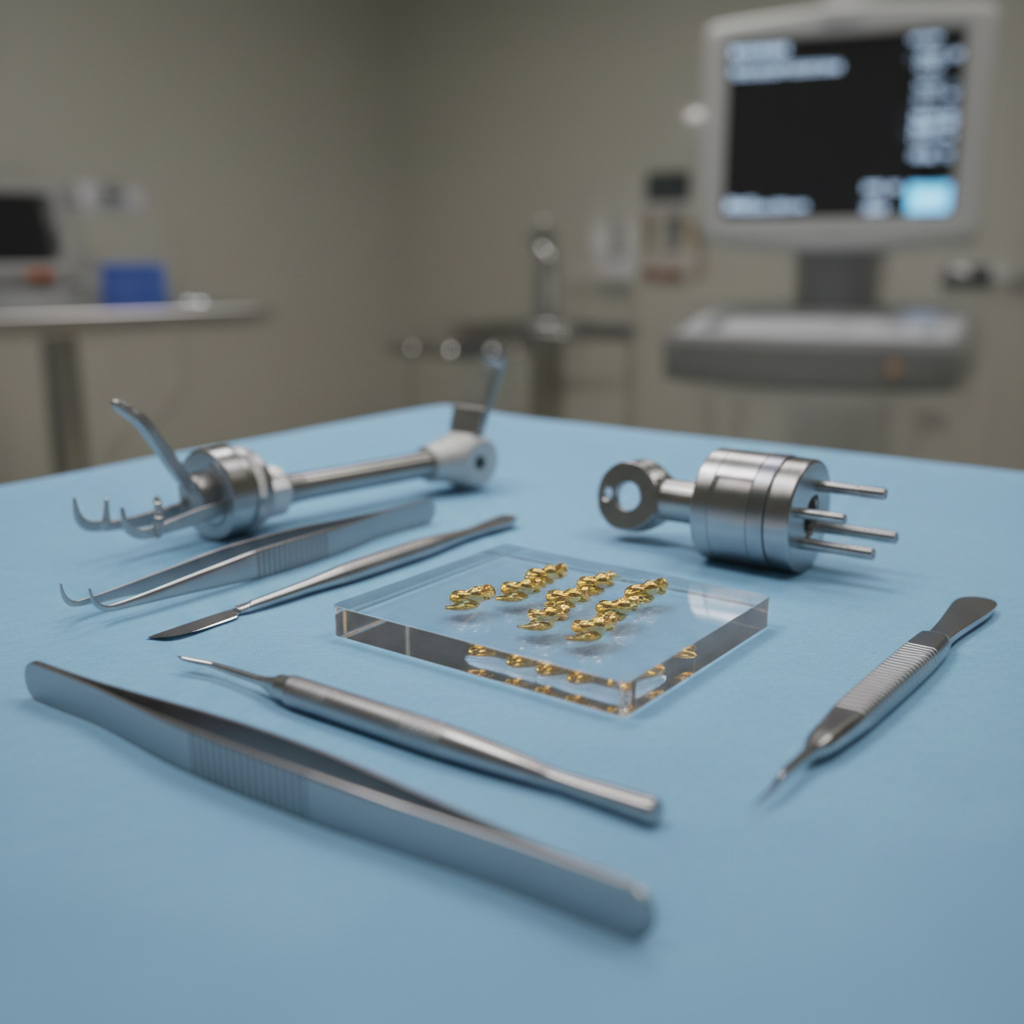
When conservative treatments are no longer enough to manage pain, joint injections represent the next step in care. The three main options available in 2026 work through different mechanisms for different patient profiles.
Hyaluronic acid.This acts as a lubricant and shock absorber within the joint space, compensating for the loss of viscosity caused by osteoarthritis. A typical protocol involves 3 to 5 weekly sessions, with effects lasting between 6 and 12 months. It is most suitable for moderate knee osteoarthritis where joint space is still preserved: active patients between 50 and 70 who want to improve function and reduce pain without using steroids.
Corticosteroids.These provide rapid anti-inflammatory relief, often within 48-72 hours, making them highly effective for acute flares with visible swelling. However, their use is limited to 3 or 4 injections per year, as excessive use can actually accelerate cartilage damage. They are a rescue tool for flare-ups rather than a primary tool for chronic management.
PRP (Platelet-Rich Plasma).Unlike the previous options, PRP doesn't just seek symptomatic relief; it introduces growth factors that can modulate the joint environment and slow progression. The evidence available in 2026 is considerably stronger than it was five years ago. The ideal candidate is a patient with moderate to severe osteoarthritis who hasn't responded well to hyaluronic acid or who wants a treatment with higher disease-modifying potential.
In all cases, the decision on which injection to use, when, and how often must be made with a specialized traumatologist. The same radiological diagnosis can require different approaches depending on the patient's symptoms, and an incorrectly prescribed injection can sometimes do more harm than good.
Medical acupuncture for osteoarthritis: The evidence in 2026
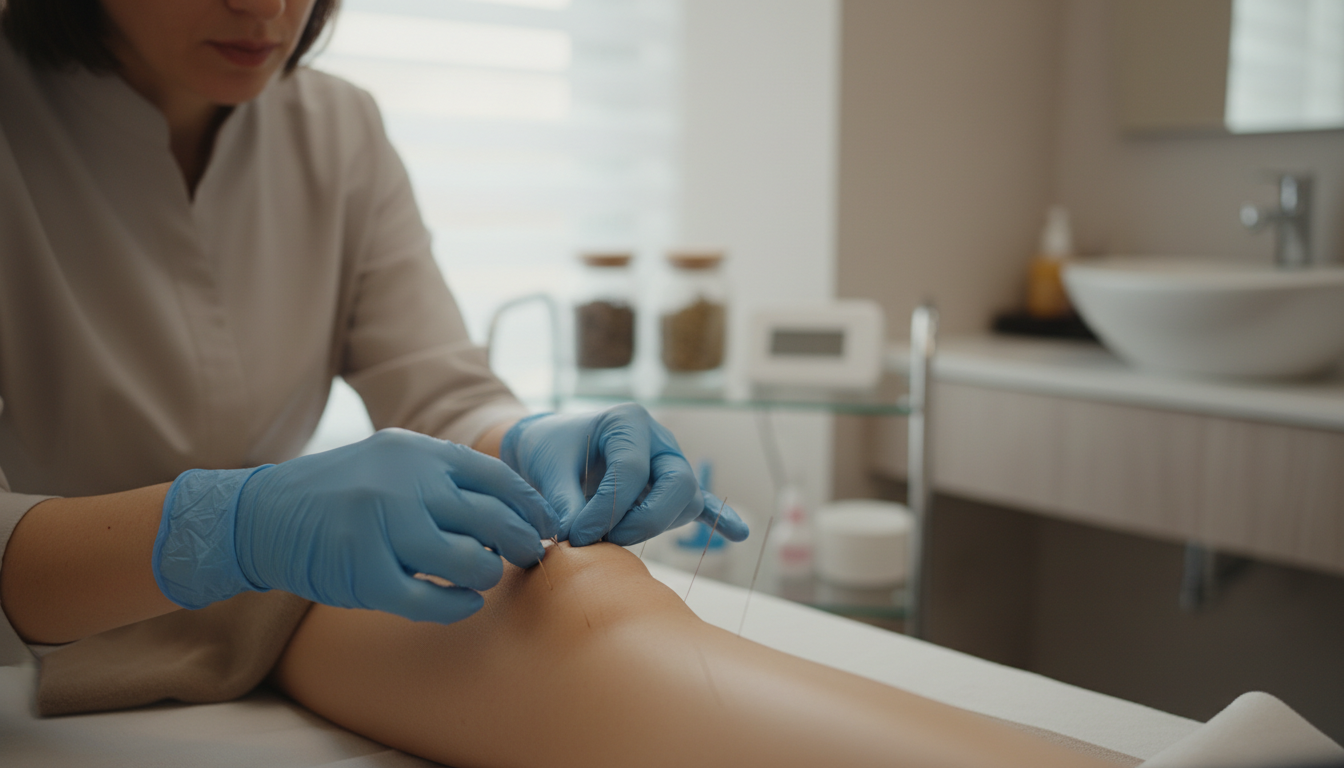
Injections have clear clinical limits: corticosteroids cannot be repeated indefinitely, and not all patients respond the same way to hyaluronic acid or PRP. At this stage, medical acupuncture is not an "alternative" resource but a therapeutic tool with growing scientific backing.
A meta-analysis published in 2026 by Li et al. analyzed the four main modalities of acupuncture applied to knee osteoarthritis and found that all demonstrated significant efficacy in reducing pain. This is not a placebo effect; the mechanisms are identifiable and reproducible. Acupuncture works by modulating the central and peripheral nervous systems, reducing local neuroinflammation, and stimulating the release of endogenous opioids, including beta-endorphins and enkephalins. In a joint where the nervous system is already sensitized and amplifying pain beyond structural damage, this mechanism has direct clinical relevance.
The distinction that matters for the patient is between medical acupuncture and other forms of the practice. Medical acupuncture is performed by a licensed physician who integrates the technique into a comprehensive orthopedic diagnosis. In my practice, acupuncture is never prescribed in isolation: it is part of a structured plan based on the grade of osteoarthritis, the affected joint, and the patient's previous treatments.
This integration has important practical benefits. For patients with osteoarthritis in the knees, hips, or hands who cannot tolerate NSAIDs due to gastrointestinal or kidney issues, or those who have reached their limit for steroid injections, medical acupuncture offers sustained relief without systemic risks. It is also a valuable option for hand osteoarthritis, where injection options are often limited by anatomy.
Gold micro-implants: A long-lasting alternative for chronic pain
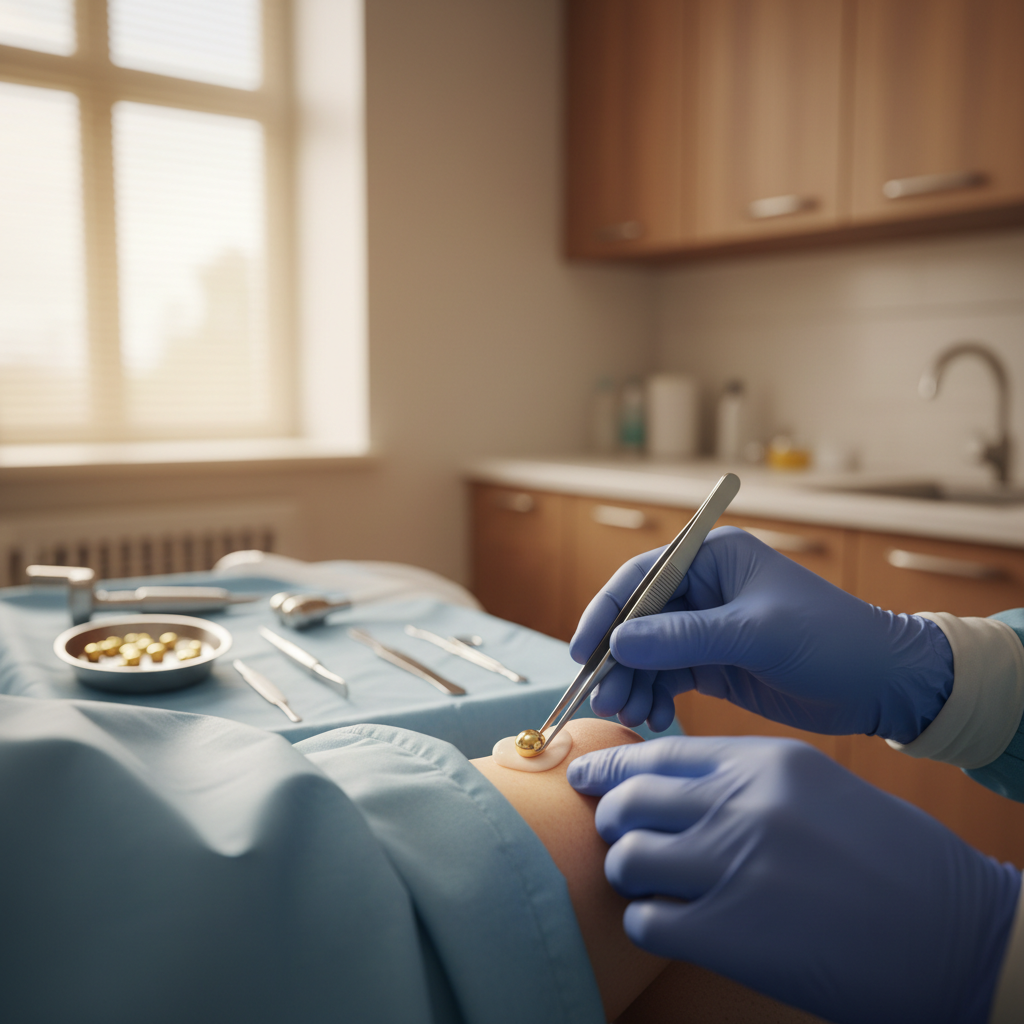
While medical acupuncture solves many problems, it still requires periodic sessions. For patients with severe or generalized osteoarthritis seeking a more permanent effect without surgery, gold micro-implants for osteoarthritis represent the most innovative step in non-surgical care.
The procedure involves placing tiny gold fragments at specific periarticular points. Once in place, they act as permanent stimulators, maintaining sustained neuromodulation of the local nervous system and generating a continuous anti-inflammatory bioelectromagnetic effect. Unlike conventional acupuncture where needles are removed after each session, these micro-implants remain in the tissue and continue to work for years.
The primary clinical advantage is structural: a single procedure replaces repeated cycles of injections or regular acupuncture sessions. This has a direct impact on the quality of life for chronic pain sufferers, especially those dealing with multiple affected areas, such as simultaneous osteoarthritis in the knees, hips, and hands.
This treatment is not suitable for every grade or patient profile. It is most strongly indicated for patients with moderate to severe osteoarthritis that has been resistant to other treatments and who are looking for a long-lasting, non-surgical solution.
How to determine the right treatment for your osteoarthritis

The most frequent question I hear in my consultation is: "What is the most effective treatment for osteoarthritis?" The honest answer is that there is no single "best" treatment, because the right decision depends on four variables that are unique to every patient.
First is the grade and location. Mild knee osteoarthritis in an active patient is managed differently than severe hip osteoarthritis with significant functional loss, or diffuse hand involvement where injection options are anatomically limited.
Second is the patient profile: age, comorbidities such as kidney or gastrointestinal issues that limit NSAID use, and the patient's actual tolerance for various procedures.
Third is the therapeutic goal. Managing daily pain is not the same as slowing long-term joint damage; often both goals are pursued in parallel, but not always with the same tools.
Fourth is the history of previous treatments. A patient who has already exhausted their annual corticosteroid limit and hasn't responded to hyaluronic acid needs a different strategy than someone who has never received a structured treatment plan.
As a general guide, the therapeutic progression usually follows this logic:
Mild to moderate osteoarthritis: Supervised therapeutic exercise, weight management, and basic pharmacotherapy. Orthotics are added if there is a biomechanical component.
Moderate to severe with insufficient control: Incorporating hyaluronic acid or PRP injections, and considering medical acupuncture, especially if there are contraindications for steroids.
Refractory or generalized chronic osteoarthritis: gold micro-implants for osteoarthritisGold micro-implants offer a long-lasting solution without the need for repeated procedures.
This journey is neither linear nor rigid. Some Grade II patients may need acupuncture because they cannot tolerate medication, while some Grade III patients respond remarkably well to a well-designed exercise program. The variable that determines success is not just the X-ray, but the individual clinical assessment.
Patients from Sabadell, Vallès Occidental, Terrassa, Badalona, and the wider Barcelona area can access this level of specialized care at our clinic. If you are unsure of the best next step for your situation, the starting point is always a complete orthopedic evaluation. You can book a specialized consultation to review your case in detail and define a personalized plan.
Frequently asked questions about non-surgical osteoarthritis treatment
Once a treatment plan is defined, specific questions often arise. Here are the answers to the most common concerns.
What are the latest breakthroughs in non-surgical osteoarthritis treatment for 2026?
The most significant advancements available today in Spain include third-generation PRP, which uses more precise platelet concentration protocols for consistent results; medical acupuncture, which is now backed by robust recent meta-analyses; and gold micro-implants, providing sustained neuromodulation without repeated intervention. While mesenchymal cell therapy is in advanced research stages, it is not yet part of standard clinical practice in Spain and remains experimental.
Can I live a good life with osteoarthritis without having surgery?
Yes—and that isn't just wishful thinking. Long-term studies show that patients with Grade II and III osteoarthritis who follow a multimodal approach (combining exercise, weight management, and targeted pain treatments) maintain levels of function and quality of life comparable to those who undergo surgery, without the risks or recovery time of a prosthesis. The key is that the treatment must be active and supervised, not just a one-off fix.
How long do non-surgical treatments take to work?
It depends on the treatment. Corticosteroid injections provide relief within 48 to 72 hours. Hyaluronic acid and PRP show progressive benefits over 2 to 4 weeks after the cycle is complete. Medical acupuncture usually produces noticeable changes between the fourth and eighth session. Gold micro-implants work progressively: initial effects are typically felt in 2 to 4 weeks, with results consolidating over the following months.
Is there a non-surgical treatment for generalized osteoarthritis?
Yes, though it requires a systemic approach. When multiple joints are affected, a single local procedure won't solve the whole picture. The most effective approach combines medication tailored to the patient's profile, medical acupuncture using both distal and local points to treat several areas at once, and sustained lifestyle changes. gold micro-implants for osteoarthritisGold micro-implants are particularly useful in this context, as a single procedure can address multiple joints with long-lasting effects. To find out which combination makes the most sense for you, you can book a specialized consultationbook an appointment for a personal evaluation
Navigating the advancements in osteoarthritis management shows that surgery is no longer the only path to a pain-free life. By focusing on personalized care and modern techniques, you can effectively manage symptoms and restore function. If you feel that you would benefit from expert guidance to tailor these options to your specific situation, exploring a specialized Integrative Treatment could be your next step. My team and I are here to support your journey toward better mobility and long-term joint health.