Falling atmospheric pressure and muscle vasoconstriction intensify stiffness and sensitivity in joints already affected by bone wear. Winter joint pain increases because cold weather contracts soft tissues, reduces blood circulation, and limits natural mobility. To mitigate this, it is essential to maintain moderate physical activity and apply local heat to relax the surrounding muscles.
Many of my patients in Sabadell notice that when the temperature drops, their joints seem to react faster than any thermometer. This isn't just a subjective feeling; falling temperatures and changes in barometric pressure directly affect the viscosity of synovial fluid and tissue elasticity. This phenomenon doesn't just increase stiffness; it limits your ability to maintain an active, functional lifestyle. In this article, we will analyze the scientific basis behind increased osteoarthritis pain during the cold months. We will explore how the humidity in the Vallès region affects your well-being, settle the recurring debate over using heat versus cold, and define the advanced therapeutic strategies that can prevent winter from becoming an obstacle to your mobility.
The Real Link Between Cold Weather and Osteoarthritis Pain
It is a common belief that cold temperatures cause joint wear, but it is important to clarify that cold does not cause osteoarthritis. Osteoarthritis is a degenerative disease characterized by the progressive wear of hyaline cartilage—the tissue that cushions the ends of bones to allow smooth movement. However, the cold acts as a powerful amplifier of the symptoms a patient already has.
In a healthy joint, environmental changes usually go unnoticed. In contrast, when cartilage is degraded, the nerve endings in the damaged area become much more sensitive to external variations. As atraumatology specialist in Sabadell, I see every year how winter joint pain becomes the primary reason for consultations between November and March.
During this period, the drop in temperature alters the patient's sensory perception, causing degenerative processes that were relatively stable to manifest with greater stiffness and intensity. It is not that the pathology progresses faster due to the seasonal climate, but rather that the damaged joint structure has a lower capacity to adapt to thermal conditions, generating a more immediate and persistent painful response to the falling temperatures in the Vallès.
Three Scientific Reasons Why Your Joints Suffer in the Cold

To understand why winter joint pain intensifies so noticeably, we must look past the myths and observe the real physiological changes occurring within the joint capsule. As a physician, I identify three fundamental biological mechanisms that explain this phenomenon and justify why the thermometer is a critical factor in a patient's quality of life.
Variations in Atmospheric Pressure: Generally, the arrival of cold is associated with a drop in barometric pressure. In a healthy joint, this change is imperceptible; however, in a worn joint, soft tissues like tendons and ligaments tend to expand against the lower external air resistance. This subtle expansion creates added internal pressure on nerve endings already sensitized by the disease, which the patient perceives as a sharp twinge or a constant dull ache.
Peripheral Vasoconstriction: In response to low temperatures, the body activates survival mechanisms to keep heat in vital organs, reducing blood flow to the extremities. This reduction in oxygen and nutrients causes the muscles and tendons surrounding the joint to become stiffer and tighter. Tense muscles not only provide less support to the joint but also increase the mechanical load on the underlying bone, worsening the clinical picture.
Alteration of Synovial Fluid Viscosity: Synovial fluid acts as the lubricating oil for our joints, allowing bones to glide without friction. With the cold, the viscosity of this fluid increases, making it thicker. This explains the characteristic morning stiffness: the joint struggles to 'start up' because it must overcome greater internal resistance before reaching its optimal operating temperature.
Mechanism | Biological Effect | Clinical Result |
|---|---|---|
Barometric Pressure | Soft tissue expansion | Pressure on joint nerves |
Vasoconstriction | Reduced muscle blood flow | Stiffness and periarticular tension |
Synovial Viscosity | Thickening of the lubricant | Increased friction and morning stiffness |
This combination of factors makes winter a test of endurance for those suffering from degenerative processes. In my daily practice as a traumatology specialist in Sabadellregistered medical practitioner, we evaluate these variables to determine if a patient needs additional support, whether through medical acupuncture for osteoarthritis to improve local microcirculation, or through solutions like gold micro-implants for osteoarthritis to modulate the chronic inflammatory response.
The Humidity Factor in Sabadell: Why the Cold Chills to the Bone
In Sabadell and throughout the Vallès Occidental region, we don't just face the drop in temperature, but also frequently high relative humidity. This climate peculiarity is responsible for the sensation that the cold 'chills to the bone,' a phenomenon with a clear physical explanation: water is a much more efficient thermal conductor than dry air.
When humidity is high, suspended water vapor acts as a bridge that extracts body heat much faster. This accelerated cooling mainly affects peripheral joints, such as hands, wrists, and knees, which have less muscular protection and are more exposed. On days with persistent fog or rain, so common in our area, the tissues' ability to maintain a functional temperature decreases, precipitating the stiffness symptoms discussed earlier.
As a traumatology specialist in Sabadellmedical professional, I see many patients who associate their worst flare-ups with weather changes in the Vallès basin. Humidity intensifies winter joint pain by cooling the joint capsule more aggressively, forcing pain receptors to send constant alert signals. It is on these days of adverse weather when protecting the affected areas and considering therapeutic options to improve joint resilience becomes most important.
Osteoarthritis: Is Heat or Cold Better in Winter?
Regarding the recurring question of whether to use high or low temperatures to mitigate winter joint pain, the clinical answer is clear: heat is generally your best ally. Since this is a degenerative cartilage disease and not an acute traumatic injury, the primary therapeutic goal is to reverse the stiffness and lack of blood flow that the cold and humidity of the Vallès cause in the tissues.
Local heat acts as a powerful vasodilator; it improves nutrient delivery to the area and relaxes the periarticular muscles that are often contracted by the cold. However, there is one important diagnostic exception. If the joint shows signs of an acute flare-up—such as obvious swelling, redness, or a feeling of internal heat to the touch—it is preferable to apply cold in short ten-minute sessions to control inflammation.
For the daily management of chronic pain during the winter months, I recommend integrating these practical guidelines into your routine:
Method | Recommended Application | Primary Benefit |
|---|---|---|
Seed heat packs | 15 to 20 minutes on the area | Dry heat that adapts to the joint's anatomy. |
Warm baths | Upon waking or before bed | Reduces overall morning stiffness. |
Electric blankets | Low power, controlled periods | Deep muscle relaxation during rest. |
As a traumatology specialist in SabadellI suggest these physical measures be complemented with treatments that address the root of the problem. While external heat offers valuable symptomatic relief, techniques like medical acupuncture for osteoarthritismedical acupuncturegold micro-implants for osteoarthritis or gold micro-implants work to modulate the inflammatory response sustainably, allowing the joint to be less reactive to seasonal thermal changes.
How to Identify and Manage an Osteoarthritis Flare-up During the Cold Season
Identifying an osteoarthritis flare-up during the cold season is essential to prevent discomfort from unnecessarily prolonging. A frequent question in my consultation is how long an osteoarthritis flare-up lasts; generally, without proper intervention, these episodes of acute pain can persist from several weeks to a couple of months. They are recognized by a notable increase in stiffness and exacerbated sensitivity that makes daily tasks difficult.
To manage this increase in winter joint pain, the first step is to avoid a sedentary lifestyle. Prolonged rest, though it may seem protective, is counterproductive as it encourages the hardening of periarticular tissues and the loss of muscle tone. It is preferable to perform gentle, controlled movements, such as walking on flat surfaces or doing mobility exercises at home, to keep the joint lubricated.
Management Strategy | Practical Recommendation |
|---|---|
Thermal Protection | Use wool or technical thermal fabrics that specifically cover the affected joints to prevent heat loss. |
Mindful Nutrition | Increase consumption of anti-inflammatory foods, such as oily fish or nuts, while avoiding excess sugars and ultra-processed foods. |
Gradual Movement | Perform short daily stretches to counteract the tendency toward winter immovility and improve local blood flow. |
As a traumatology specialist in SabadellI observe that combining these physical guidelines with proper nutrition significantly shortens the duration of the flare-up. It's not just about enduring the cold, but about taking an active stance so that inflammation doesn't become the dominant theme of the entire season.
Advanced Treatments to Keep Your Life Moving This Winter
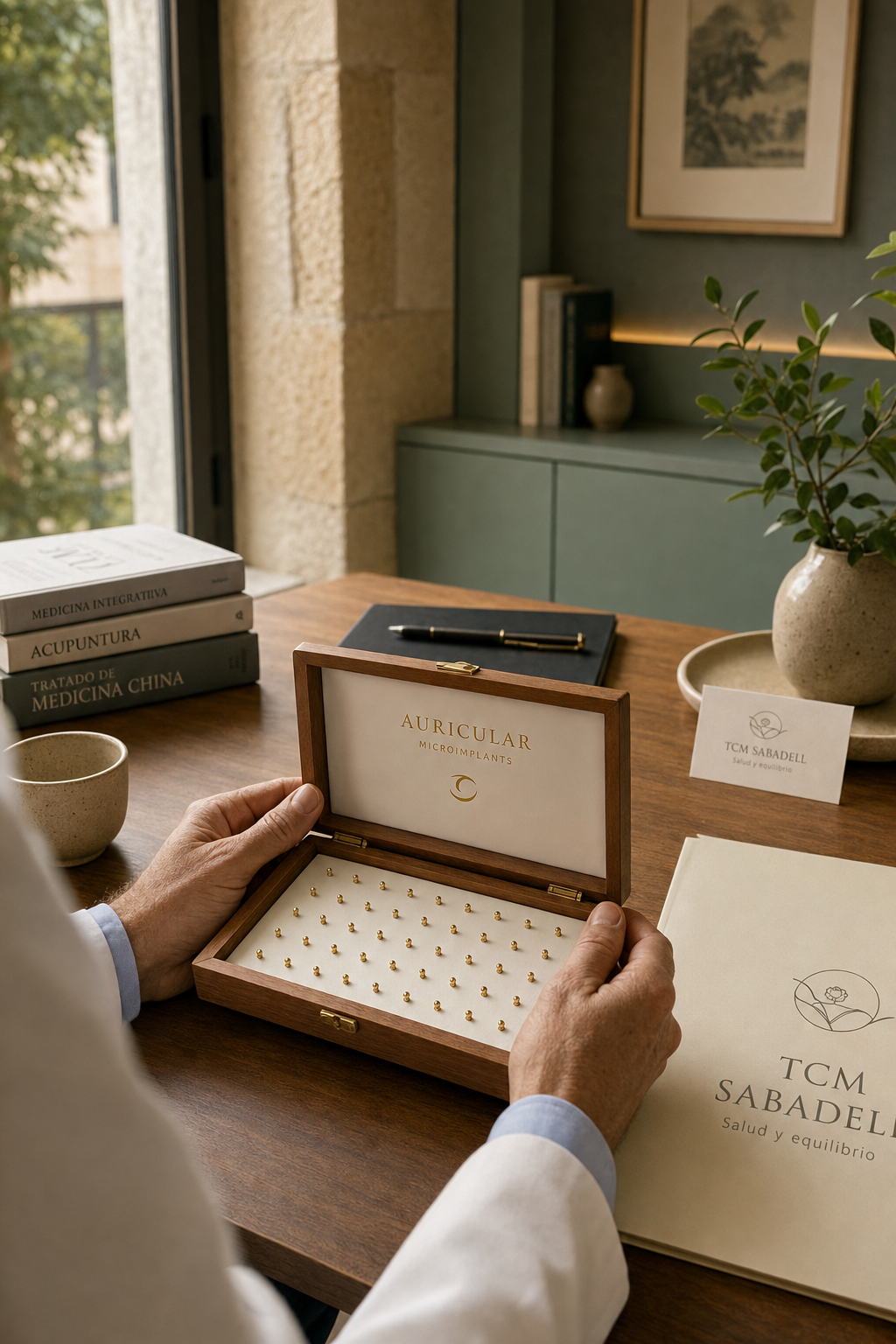
Despite following recommendations for local heat and controlled movement, many patients find that winter joint pain continues to limit their independence during the harshest months. When conventional measures aren't enough to curb the impact of the Vallès humidity, medical interventions that act on the biological root of the symptom are necessary. As a traumatology specialist in Sabadell, my approach combines diagnostic precision with cutting-edge techniques that prepare the joint to be resilient against inclement weather.
Medical acupuncture for osteoarthritis is one of the most effective tools for regulating pain perception. Contrary to popular belief, its function is not just palliative; this technique helps modulate the nervous system's response and, most importantly in winter, significantly improves local microcirculation. By stimulating specific points, we manage to reverse part of the peripheral vasoconstriction caused by the cold, allowing tissues to receive the oxygen supply needed to reduce stiffness.
For cases where wear is more advanced or the patient seeks a long-lasting solution, gold micro-implants for osteoarthritis offer an innovative alternative without the need for surgery. These small biocompatible devices are placed using a minimally invasive technique and exert a continuous local anti-inflammatory effect. This therapy is especially valuable during the winter season, as it helps the joint maintain a stable biochemical environment against drops in atmospheric pressure.
Thanks to these advanced treatments, it is possible to break the cycle of pain and inactivity that winter often imposes. The goal is not just to provide temporary relief, but to give the joint structure a greater capacity to adapt. This way, the patient can face foggy days and low temperatures with a much more resistant joint foundation, maintaining their usual pace of life without interruption.
In summary, the cold does not damage joints directly, but it does increase stiffness and pain sensitivity. Staying active and applying heat are essential strategies for getting through the winter more comfortably. However, every case of osteoarthritis is unique and deserves a specific approach to achieve real relief. If you are looking for professional guidance to improve your quality of life, I invite you to explore our Integrative Treatment options. Together, we can design a comprehensive plan to help you regain your well-being and mobility.